TikTok vs Instagram Reels vs YouTube Shorts: which one is worth your time?
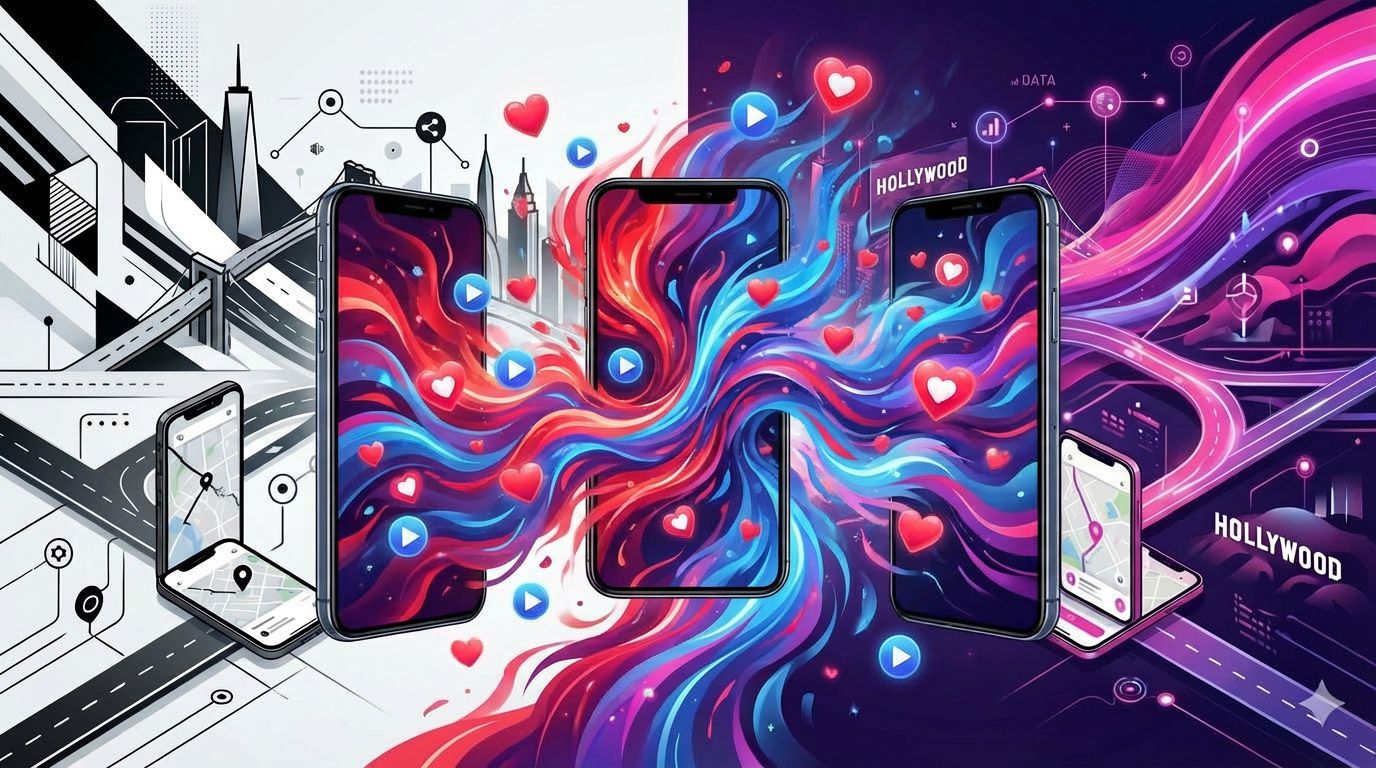
Short-form video has taken over three separate platforms that were originally built for completely different purposes. TikTok was designed around it from the beginning. Instagram grafted it onto a photo-sharing platform. YouTube bolted it onto a long-form video site. The result is three apps that look superficially similar, all showing you vertical videos in a scrollable feed, but that behave very differently in ways that matter whether you're watching, creating, or trying to avoid losing an hour of your evening to content you didn't plan to consume.
Here's a detailed comparison that covers what actually separates them.
The recommendation algorithm: why it matters most
If you use any short-form video app, you spend most of your time in an algorithmically generated feed. The algorithm decides what you see, and the quality of that algorithm determines whether you see content that's relevant to your interests or a random grab bag of viral clips and trending audio.
TikTok's For You Page has been the benchmark for content recommendation since at least 2020, and nothing has matched it yet. The algorithm is exceptionally good at identifying extremely specific interests. It doesn't just learn that you like cooking, it learns that you like Korean street food or cast iron pan restoration or sourdough troubleshooting, and it surfaces content in those micro-niches with striking accuracy.
TikTok achieves this by weighing signals differently than other platforms. Watch time, replays, and shares are weighted more heavily than likes or comments. This means that the algorithm optimizes for content you actually watch rather than content you publicly engage with, which are often different things. People like and comment on different content than what they watch all the way through multiple times, and TikTok has figured out that the second category is a better predictor of genuine interest.
Instagram Reels is built on top of Instagram's existing infrastructure, which was designed around follower relationships and engagement rates on established accounts. The Reels algorithm has improved significantly since its launch, but it still shows a stronger bias toward content from larger accounts and people you already follow. Discovering genuinely niche content on Reels takes more effort and time compared to TikTok, where the For You Page surfaces niche content to new users within minutes of watching a few related videos.
YouTube Shorts is the youngest of the three in terms of algorithmic maturity. YouTube's main recommendation algorithm is excellent for long-form video, built on over a decade of data and refinement. But the Shorts algorithm feels like a separate and less developed system. The Shorts feed often serves an inconsistent mix of content from channels you subscribe to, random viral clips, content that seems to have no connection to your viewing history, and reposts from TikTok. It's improving with each update, but it hasn't reached the precision that TikTok demonstrates for content discovery.
As a creator: reach and money
For anyone who creates content or is considering it, the three platforms offer very different prospects for building an audience and earning money.
TikTok has the most democratized content discovery of any major platform. A brand new account with zero followers can post a video that reaches hundreds of thousands of people if the content resonates. This isn't luck or an anomaly. It's how the algorithm works by design: every video is tested with a small initial audience, and if engagement metrics are strong, it gets pushed to progressively larger audiences regardless of the creator's follower count.
This makes TikTok the strongest platform for organic growth from scratch. Creators regularly describe going from zero to 10,000 followers on a single viral video, something that would take months of consistent posting on Instagram or YouTube. The trade-off is that TikTok's reach is volatile. You can have a video reach a million people followed by a video that reaches 500. The algorithm is meritocratic but unpredictable.
Instagram Reels benefits from Instagram's enormous existing user base of approximately 2 billion monthly active users. If you already have an Instagram following built through photos and Stories, your Reels automatically reach those followers. This cross-pollination between content types is a genuine advantage. However, for accounts starting from zero, Instagram's discovery algorithm is weaker than TikTok's, and building a following from scratch through Reels alone is slower.
YouTube Shorts has a unique advantage in the conversion pipeline. Short-form videos can funnel viewers into your YouTube channel where they subscribe, watch longer videos, and generate significantly more ad revenue per view than any short-form platform pays. YouTube's Partner Program pays creators based on ad revenue sharing, and the per-view rates for long-form content are substantially higher than what TikTok or Instagram pay for equivalent view counts on short-form videos.
For direct monetization comparison: YouTube pays creators more per view than TikTok or Instagram across most content categories. TikTok's Creator Fund has been criticized for low per-view payouts, though TikTok has been adding new monetization features including tipping, subscriptions, and TikTok Shop integration. Instagram's Reels bonus programs have been inconsistent, with payouts varying by region and creator tier.
The practical creator strategy that many successful content creators have adopted is to create for TikTok first because of its superior organic reach, then cross-post to Instagram Reels and YouTube Shorts for additional distribution. The content format is identical across all three platforms, so the marginal effort of posting to multiple platforms is minimal.
The content culture differences
Despite the identical format of vertical short videos, each platform has developed a distinct content culture that affects what type of content performs well.
TikTok's culture rewards authenticity and low production value in a way that no other platform does. A video shot on a phone in bad lighting with no editing can perform well if the content is interesting, funny, or emotionally resonant. The platform has a strong tradition of trends, sounds, and formats that users remix and iterate on, creating a participatory culture where viewers become creators by putting their own spin on existing ideas.
The range of content on TikTok is also the widest of the three. Comedy, tutorials, news commentary, niche hobbies, product reviews, cooking, fitness, mental health discussions, political commentary, educational content, and things that genuinely defy categorization all coexist and find audiences. This diversity is a direct result of the algorithm's ability to match specific content to specific viewers regardless of the content category.
Instagram Reels skews toward more polished and visually appealing content. The aesthetic expectations of Instagram's culture carry over into Reels: better lighting, cleaner compositions, more intentional editing. Content categories that perform well on Reels tend to be lifestyle, fashion, fitness, travel, food presentation, home decor, and similar visually oriented topics. This isn't a limitation exactly, but it does mean that certain types of content that work on TikTok don't translate as well to Instagram's audience.
YouTube Shorts draws heavily from YouTube's existing content ecosystem. Many popular Shorts are clips extracted from longer YouTube videos, giving viewers a sample of a creator's style before they commit to watching a full 10 or 20 minute video. Tutorial content, gaming highlights, commentary, and reactions are particularly common. The platform also has a significant amount of content reposted from TikTok, often with the TikTok watermark still visible.
Screen time: the problem with all three
All three platforms are engineered to maximize the time you spend watching. This is the business model: more viewing time means more ad impressions, more data about your preferences, and more opportunities to monetize your attention. Short-form video is particularly effective at capturing time because each individual video is so short that the decision to stop feels negligible. It's always just one more 15-second clip.
The result is that many people find themselves opening one of these apps intending to spend five minutes and surfacing 30 to 60 minutes later having lost track of time entirely. This isn't a failure of willpower. It's the intended outcome of design teams optimizing engagement metrics with sophisticated understanding of behavioral psychology.
If you want to use these apps without losing more time than you intend, the strategies that work best involve adding friction to the experience rather than relying on self-control in the moment. Screen time limits in your phone's settings that require a password to override are more effective than simple reminders. Moving the app to a folder on a secondary home screen adds a small barrier that interrupts the automatic habit of opening it. Setting a specific time for watching rather than opening the app whenever you're bored creates a boundary.
None of these strategies eliminate the pull of the feed, but they make the difference between spending 15 minutes and spending an hour more often.
Which one to choose
Use TikTok if you want the best content discovery and are willing to let the algorithm learn your interests. Within a day or two of active use, TikTok's For You Page becomes remarkably attuned to what you actually want to watch.
Use Instagram Reels if you're already active on Instagram and want video content integrated into your existing social media experience rather than adding a new app.
Use YouTube Shorts if you're a regular YouTube user who wants to discover new channels and creators through short samples of their content before committing to longer videos.
Most people genuinely don't need all three apps for viewing. Pick the one where your interests are best served and treat the others as occasional alternatives. The apps want your time and attention. Being deliberate about which one gets it is worth the thought.
About the Author
Mariana Costa
Security researcher and tech journalist. Writes about app safety, social media platforms, and digital privacy.
Related Articles
UberX vs UberXL vs Uber Black vs Uber Comfort: which ride type should you choose?
When you open Uber and enter a destination, the app shows you a list of ride options rather than a single choice. For first-time users this can be con...
6 min read
Zoom vs Google Meet vs Microsoft Teams: which video call app is best?
The pandemic forced hundreds of millions of people onto video calls within a few weeks, and three platforms absorbed most of that demand. Years later,...
8 min read
Spotify Free vs Premium: is the paid plan actually worth it?
Spotify's free tier is designed with a specific purpose: to be functional enough that you keep using the app but annoying enough that you eventually p...
7 min read