
Uber in Phoenix: prices, coverage, and what riders need to know
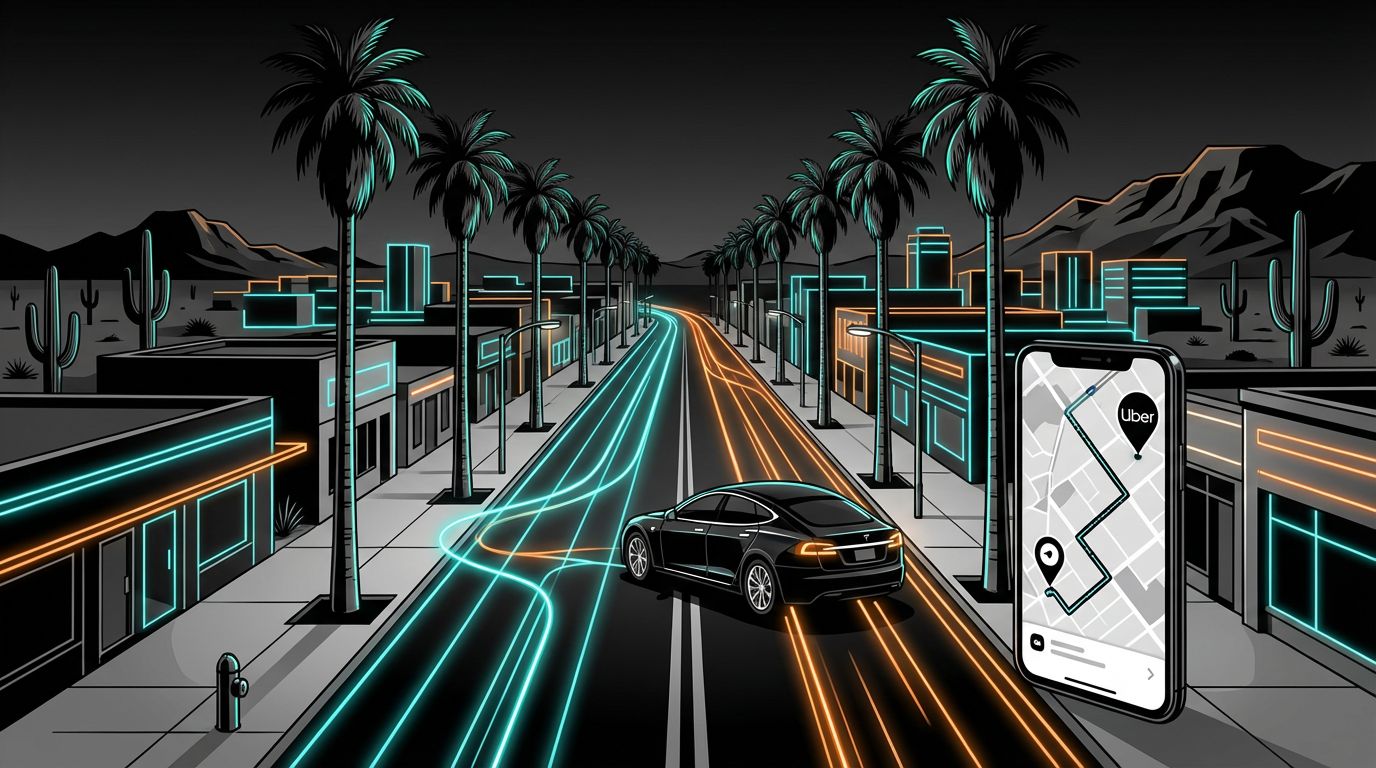
Phoenix is a car city. The metro sprawls across more than 500 square miles, public transit is limited outside of a few light rail corridors, and most residents drive everywhere. But for people who don't want to drive, or can't, Uber works well here. The driver supply is solid, fares are competitive with the national average, and the city is covered well enough that you can get around most of the Valley without owning a car, as long as your expectations are realistic about distances and wait times.
Here's what's actually useful to know about using Uber in Phoenix and the surrounding Valley.
How Uber coverage works across the Valley of the Sun
Phoenix proper is the core, but the metro area includes Scottsdale, Tempe, Mesa, Chandler, Gilbert, Glendale, and Peoria, among others. Uber operates throughout all of these areas. Driver concentration is highest in central Phoenix, Scottsdale's Old Town, Tempe near ASU, and Midtown Phoenix. Coverage becomes more sparse in the outer suburbs, particularly Surprise, Queen Creek, and the eastern edges of Mesa.
The biggest thing to internalize about Phoenix rideshare is the distances. Driving from downtown Phoenix to Scottsdale Fashion Square is about 12 miles. From downtown to the Phoenix Zoo is 5 miles. From Scottsdale's Old Town to Fountain Hills is nearly 20 miles. Fares that would be $8 in a denser city become $20 in Phoenix because the distances are longer. This isn't Uber gouging — it's just geography.
Uber at Phoenix Sky Harbor International Airport (PHX)
Sky Harbor is one of the busier airports in the country, and the pickup procedure is specific enough that it's worth explaining.
When you land, collect your bags, and are ready to be picked up, request your Uber in the app. The designated rideshare pickup location is at the 44th Street and Washington staging area, called Terminal 4 Rideshare, or at the Terminal 3 North Curb. The specific location depends on which terminal your flight arrived at. Follow the signs inside the terminal for "Rideshare" — they're clearly marked at Sky Harbor.
The most important thing: don't request your Uber until you're physically close to the pickup area. Phoenix is hot, often extremely hot, and you don't want to be standing outside for 8 minutes in July because you requested too early. Request when you're near the doors.
Fares from Sky Harbor to downtown Phoenix run $12 to $22 depending on time of day. To Scottsdale hotels and resorts, expect $18 to $35. To Tempe, $10 to $18. To Mesa, $20 to $35 depending on where in Mesa.
Returning to the airport for departure is simpler. Your driver drops you at the standard departures curb. No special procedure required.
Pricing expectations and when surge hits
Phoenix has relatively consistent pricing during off-peak hours, but several situations reliably trigger surge pricing:
Sporting events are the biggest factor. When the Cardinals, Suns, Diamondbacks, or Coyotes play at home, rideshare demand spikes before and after games. Fares can double or more within a two-mile radius of State Farm Stadium, Footprint Center, or Chase Field during post-game periods. Ordering a ride 20 minutes after a game ends, once the initial surge wave passes, typically restores closer-to-normal pricing.
New Year's Eve in Scottsdale is one of the most intense surge pricing events in the city, given the concentration of bars and clubs in Old Town. If you're going out in Old Town on New Year's, either book an Uber in advance, accept paying 3x to 4x normal fares, or make plans that don't require a late-night ride.
Summer afternoons from June through August see moderate surge increases because demand for air-conditioned rides goes up when it's 115 degrees outside. Plan to pay a bit more for midday rides during peak summer.
Uber vs Lyft in Phoenix
Both platforms operate throughout the Valley. Uber has a larger driver pool in the Phoenix area, which generally means shorter wait times, especially in less central areas and during off-peak hours. Lyft is competitive on price and worth checking before every ride. The 30-second comparison habit saves real money here because the price difference between the two apps on the same route can be $5 to $10, particularly during surge periods when each app's algorithm responds differently to demand.
For airport rides specifically, Uber tends to have better driver availability at Sky Harbor because more drivers in Phoenix are active on Uber. During peak arrival times, Lyft can show 15 to 20 minute waits while Uber shows 5 to 8 minutes.
Neighborhoods and areas worth knowing
Downtown Phoenix covers the central business district, the sports venues, and the rapidly developing Roosevelt Row arts district. Strong Uber coverage throughout. The light rail runs through here as well, which can complement Uber for longer east-west trips.
Scottsdale's Old Town is the entertainment hub of the Valley, with the densest concentration of restaurants, bars, and hotels in the metro area. Uber coverage is excellent, though late-night Friday and Saturday availability can be tight from 1 AM to 2:30 AM when bars close simultaneously.
Tempe around Arizona State University has strong rideshare coverage year-round, with extra demand during home football games and graduation weekends.
Paradise Valley is an upscale residential area between Phoenix and Scottsdale. Coverage is good for pickups from the major hotels and resorts here.
Glendale near State Farm Stadium has normal coverage most of the time but expects surge and availability issues on NFL game days, particularly playoff games and major events at the arena.
Peoria and Surprise on the northwest side are further from central Phoenix. Uber works here, but wait times in purely residential areas can run 15 minutes or more, particularly late at night.
Practical tips for riding in Phoenix
Heat is a real factor in how you interact with rideshare here. In summer, never request a ride and then stand in the sun waiting. Stay inside until the driver is one to two minutes away, then walk out. Most drivers in Phoenix are accustomed to passengers timing their exit this way and don't expect you to be standing outside when they arrive.
Verify your driver and vehicle before getting in, especially at hotels and venues where multiple Uber and Lyft vehicles may be arriving simultaneously. Check the license plate number and driver photo in the app before approaching any car.
For longer trips to the outer suburbs, consider scheduling a ride in advance through the Uber app. The scheduled ride feature is useful here because Phoenix is large enough that driver supply in distant areas at off-peak times is genuinely limited.
Tipping is appreciated. Phoenix drivers often travel 10 to 15 minutes just to reach a pickup, and the longer distances mean more fuel and wear. A $3 to $5 tip on typical rides is well-received.
Getting around Phoenix without a car
Uber combined with the Valley Metro Rail can cover a surprising amount of the city. The light rail runs through downtown Phoenix, Tempe, and Mesa, connecting major employment centers, ASU, and Sky Harbor Airport's 44th Street station. If you're staying somewhere near the light rail corridor, combining a short Uber ride with the train is often faster and cheaper than Ubering the whole distance.
The heat makes walking impractical for most trips in summer, so Uber becomes the default mode of transportation in a way that it doesn't in more pedestrian-friendly cities. The local culture of getting into the nearest air-conditioned environment as quickly as possible explains why rideshare demand in Phoenix is more consistent year-round than in northern cities where people walk more when the weather is good.
For visitors who want to see the city without renting a car, Uber is genuinely viable for a Phoenix trip. The fares add up faster than in denser cities because of the distances, so budgeting $20 to $40 per day for rideshare if you're sightseeing is realistic.
About the Author
Tiago Ferreira
Transportation and mobility writer. Covers rideshare services, city transit, and urban commuting solutions across the US.
Related Articles
Uber at US airports: how pickups actually work and what to expect
Using Uber at an airport should be simple, but the reality involves designated pickup zones, terminal-specific procedures, and timing decisions that c...
6 min read
Uber in Las Vegas: the Strip, airports, and what to actually expect
Las Vegas is a city with one of the most interesting rideshare situations in the US. The Strip and downtown are saturated with drivers at almost every...
6 min read
Uber and Lyft in Miami: what riders actually need to know
Miami is a city where rideshare is both extremely useful and occasionally maddening, depending on the time and location. On a Tuesday afternoon, getti...
6 min read